
Underplanting Trees With Seasonal Interest
2026.04.20 04:26
Underplanting trees with seasonal interest is a horticultural practice that enhances the aesthetic and ecological value of landscapes throughout the year. This technique involves selecting and planting smaller, complementary plants beneath the canopy of larger trees to create a visually dynamic and continuously interesting environment. By carefully choosing species that bloom, change color, or provide texture in different seasons, gardeners and landscape designers can transform a static tree into a focal point that evolves with the seasons. This article explores the principles, benefits, and practical considerations of underplanting trees with seasonal interest.
The concept of underplanting is rooted in the idea of layering vegetation to mimic natural ecosystems. In nature, trees often support a diverse undergrowth of shrubs, perennials, and groundcovers that thrive in the dappled light beneath their canopies. By replicating this in cultivated landscapes, gardeners can create a more natural and sustainable environment. Seasonal interest is achieved by selecting plants that offer visual appeal during specific times of the year, such as spring blossoms, summer foliage, autumn color, or winter structure.
One of the primary benefits of underplanting is the enhancement of biodiversity. By introducing a variety of plant species, gardeners can attract pollinators, support wildlife, and improve soil health. For example, early-blooming plants like snowdrops or crocus can provide nectar for bees in the spring, while late-blooming asters and sedums can sustain butterflies and other insects in the fall. This diversity not only supports ecological balance but also ensures that the landscape remains engaging throughout the year.
Another advantage of underplanting is the ability to create a more layered and textured landscape. The combination of different plant heights, leaf shapes, and colors can add depth and visual interest to a garden. For instance, tall grasses or ornamental grasses can provide movement and contrast against the structure of a tree, seed contracts while low-growing groundcovers like thyme or sedum can fill in spaces and prevent weeds. This layering effect can also help to soften the appearance of large trees, making them more integrated into the overall design.
When selecting plants for underplanting, it is essential to consider the specific conditions of the site. Factors such as light levels, soil type, moisture, and the root system of the tree must be taken into account. Many trees, especially those with shallow roots, can be sensitive to competition for water and nutrients. Therefore, it is important to choose plants that are not overly aggressive and that can thrive in the available conditions. For example, shade-tolerant plants like hostas, ferns, and hellebores are well-suited for underplanting beneath deciduous trees, while sun-loving plants like lavender or rosemary may be better suited for areas with more light.
Seasonal interest can also be achieved through the use of plants that change color or provide structure in different seasons. For example, Japanese maples can offer striking fall foliage, while evergreen shrubs like boxwood or yew can provide winter interest. Additionally, plants with interesting bark, such as birch or cypress, can add visual appeal even when they are not in bloom. By incorporating a mix of flowering, foliage, and structural plants, gardeners can ensure that the landscape remains visually engaging year-round.
In addition to aesthetic benefits, underplanting can also contribute to the health and longevity of the trees. A well-chosen underplanting can help to suppress weeds, reduce soil erosion, and improve soil moisture retention. However, it is important to avoid planting too close to the tree trunk, as this can lead to competition for resources and potential damage to the tree's root system. A distance of at least 1 to 2 feet from the trunk is generally recommended to allow for proper air circulation and root development.
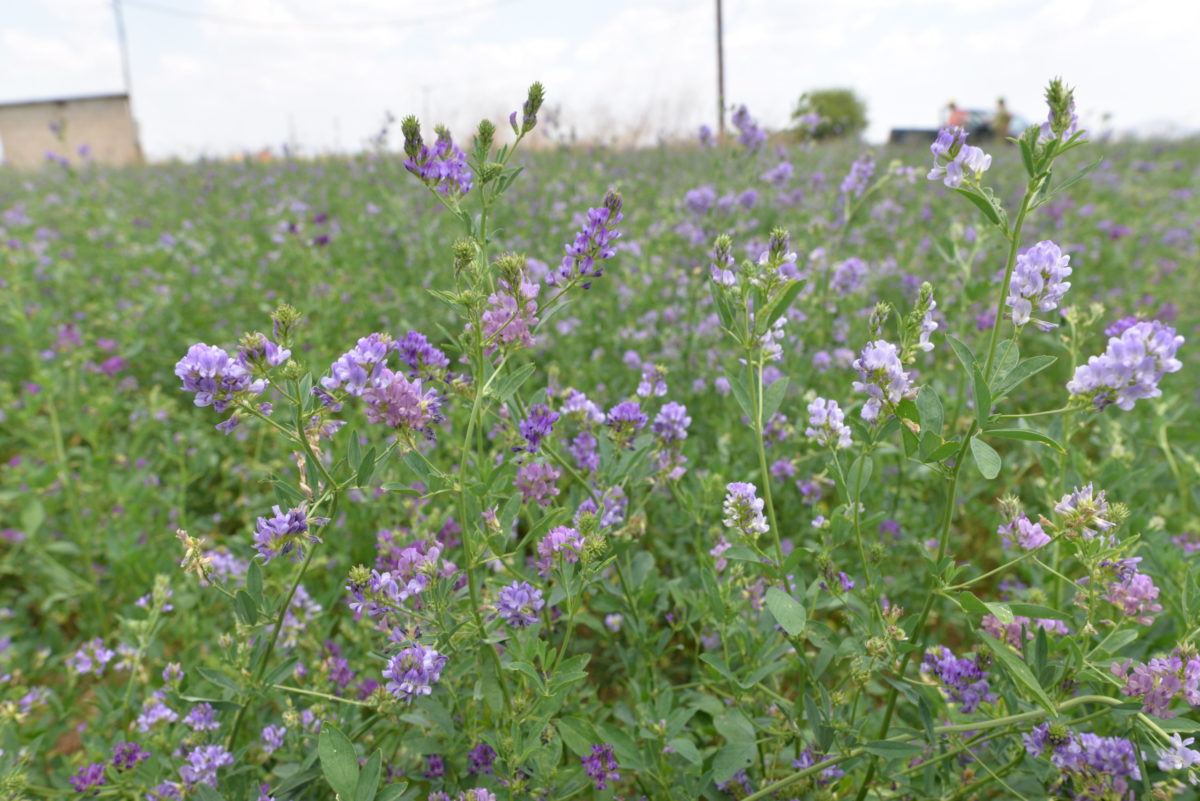
The practice of underplanting with seasonal interest is not limited to residential gardens. It is also widely used in public parks, botanical gardens, and urban landscapes to create visually appealing and ecologically beneficial environments. In these settings, the selection of plants is often guided by the need for low maintenance, resilience to environmental stressors, and the ability to thrive in a variety of conditions.
In conclusion, underplanting trees with seasonal interest is a valuable horticultural technique that enhances the beauty, biodiversity, and sustainability of landscapes. By carefully selecting and arranging plants that offer visual appeal in different seasons, gardeners can create dynamic and ever-changing environments that reflect the natural rhythms of the year. Whether in a backyard garden or a public space, the thoughtful integration of underplanting can transform the relationship between trees and the surrounding landscape, making it more vibrant, functional, and enjoyable throughout the seasons.