
Where Swiss Hill Charm Meets Contemporary Restoration
2025.08.27 07:36
Switzerland's alpine areas, particularly the canton of Valais, have long been celebrated for their impressive landscapes, stunning ski hotels, and legendary chalets that symbolize rustic elegance and cultural identity, and the principle of where Swiss mountain beauty fulfills contemporary improvement completely captures the advancing lifestyle and residential property fads in the region. Today, more than ever, property owners, financiers, and international purchasers are drawn to the chance of renovating typical hill huts to maintain their timeless appeal while integrating modern features that raise daily living criteria. At the heart of this transformation lies the Swiss hut itself, a framework steeped in history with its weather-beaten wooden facades, overhanging verandas decorated with geraniums, and steep sloped roofing systems created to stand up to Towering snow. Preserving these genuine elements is important in keeping the social landscape of towering towns, yet there is also a solid need to reimagine these homes with open-plan formats, panoramic windows that optimize all-natural light, modern kitchens and bathrooms, and health rooms that accommodate contemporary way of lives. Sustainability plays a crucial role in this development, with Switzerland being a pioneer in eco-conscious building, and renovation tasks often consist of energy-efficient systems such as underfloor home heating, thermal insulation, geothermal pumps, solar panels, and triple-glazed windows and doors that make sure comfort while lowering the carbon footprint. Blending tradition with technology has triggered cabins that are no more just charming heritage residential or commercial properties however additionally lasting, efficient houses ready for the future. For those that want to integrate hill life with modern convenience, wise home technology is likewise being commonly taken on across renovations, enabling homeowner to from another location keep an eye on heating, lighting, and also protection. Past the structural and practical upgrades, lifestyle improvements specify the modern-day analysis of hut living: exclusive health facilities, Jacuzzis, saunas, and wine rack are all functions significantly in demand, transforming old towering homes into luxury resorts that satisfy international preferences while respecting their distinct setting. Outdoor living has in a similar way become a emphasis, with terraces expanded to host breathtaking dining experiences and gardens landscaped to combine flawlessly with surrounding mountain meadows. The combination of rustic towering beauty with modern-day comforts has further reinforced the investment possibility of Valais huts, as refurbished residential properties in leading locations like Zermatt, Crans-Montana, Saas-Fee, and Verbier regularly bring in costs rental income and long-term recognition. Nonetheless, this equilibrium calls for mindful focus to regional regulations and preparing legislations, which are made to make certain that developments respect both architectural heritage and ecological sustainability. This is why collaborating with skilled local engineers, artisans, and contractors-- experts soaked in both traditional strategies and modern-day building practices-- is important. Their experience makes certain that cabin remodellings abide by Swiss needs while attaining the delicate balance in between credibility and innovation. For families recovering heritage buildings, for capitalists improving chalets for Colette leasings, or for customers looking for a desire holiday home, the process of blending Swiss hill appeal with modern restoration represents greater than just architecture; it has to do with embracing a lifestyle where authenticity, sustainability, and contemporary high-end exist together. Inevitably, this pattern captures not only the enduring allure of the Alps but additionally Switzerland's duty as a leader in balancing preservation with progress. As need from international buyers continues to expand, huts that combine heritage with modernity are becoming more than simply homes-- they are way of life statements, future-proof investments, and living testimonies to the long-lasting magic of the Swiss hills.
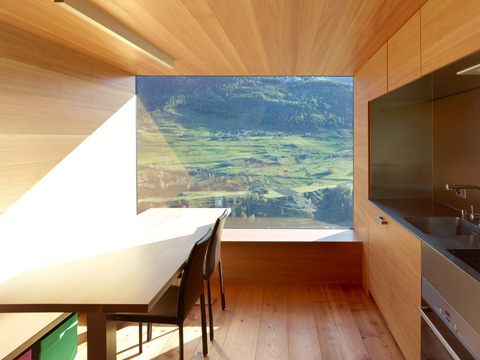 In the Swiss Alps, specifically in the canton of Valais, chalets stand for far more than simply hill homes; they represent an enduring social identity, a classic connection to landscape, and an architectural kind deeply rooted in alpine tradition, and the expanding trend of maintaining Chalet renovation valais identity while creating modern-day way of livings shows the fragile balance in between appreciating heritage and accepting advancement in contemporary living. Historically, Swiss cabins were constructed with functionality in mind, utilizing neighborhood wood and rock to stand up to extreme alpine environments, their sloping roof coverings developed to drop hefty snow, and their wooden balconies decorated with flower information that included charm to rustic towns. For generations, these frameworks have stayed symbols of the alpine world, yet contemporary homeowners and investors now aim to remodel them in ways that protect this authenticity while adjusting to way of living needs formed by effectiveness, convenience, and luxury. Improvement projects normally begin with a regard for standard outsides-- exteriors of weathered larch timber, stonewall structures, and distinctive craftsmanship that links the residential or commercial property to its towering roots-- while interiors progress into open-plan living locations improved by natural light, breathtaking glazing, minimalist yet cozy design aspects, and technology-driven services. Sustainability is significantly central, as huts in Valais and various other Swiss regions are being updated with eco-conscious attributes such as geothermal home heating, photovoltaic or pv photovoltaic panels, integrated heatpump, and progressed insulation systems, all designed to reduce environmental effect while making certain year-round comfort in a hill climate. These aspects not only align with Swiss environmental laws however likewise accommodate a growing worldwide audience of eco-conscious purchasers. In parallel, clever home systems are being integrated, offering homeowners manage over heating, lights, protection, and even power consumption, whether in your home or abroad, more combining practice with advancement. While sustainability and effectiveness are vital, way of living factors to consider have actually transformed hut improvements into possibilities for deluxe too. Numerous updated huts now consist of wellness locations featuring saunas, hammams, and hot tubs, together with wine cellars, entertainment spaces, and chef-grade cooking areas, all while keeping exposed light beams, rock fire places, or handcrafted woodwork that personify the heat of alpine heritage. Outdoor living is just as important, with extensive terraces, landscaped gardens, and warmed pools developing smooth connections with panoramic mountain sights. This blending of past and future has strong financial investment capacity, as properties that retain their genuine identity while supplying contemporary comforts regulate high demand and long-lasting value in resorts such as Verbier, Zermatt, Crans-Montana, and Saas-Fee. Importantly, accomplishing this balance calls for compliance with stringent structure guidelines in Switzerland, created to preserve the personality of hill villages and shield the natural environment. Consequently, homeowners commonly function very closely with local designers, designers, and craftsmen-- professionals that bridge the gap between standard alpine construction and modern building practices. Their expertise makes sure that a hut can keep its local authenticity while accomplishing the modern standards of performance, visual allure, and sustainability demanded by today's purchasers. For families wanting to restore a hut passed down through generations, for financiers looking at the rewarding short-term rental market, or for people looking for an towering retreat that embodies both convenience and heritage, the process of protecting chalet identification while developing modern way of livings opens not just building value yet also psychological and monetary importance. Possessing a hut in Valais or various other Swiss alpine areas progressively means having a building that narrates of history while operating as a home prepared for decades to find. This pattern highlights Switzerland's forward-thinking vision of aligning social preservation with useful innovation, demonstrating how also the earliest structures can evolve sensibly without losing their spirit. Ultimately, maintaining hut identification while producing contemporary way of livings is about sustaining alpine traditions, commemorating the essence of mountain living, and giving contemporary convenience in manner ins which honor both individuals and location-- a approach that reverberates with residents and global home seekers alike, ensuring chalets continue to thrive as symbols of heritage, modernity, and enduring Alpine beauty.
In the Swiss Alps, specifically in the canton of Valais, chalets stand for far more than simply hill homes; they represent an enduring social identity, a classic connection to landscape, and an architectural kind deeply rooted in alpine tradition, and the expanding trend of maintaining Chalet renovation valais identity while creating modern-day way of livings shows the fragile balance in between appreciating heritage and accepting advancement in contemporary living. Historically, Swiss cabins were constructed with functionality in mind, utilizing neighborhood wood and rock to stand up to extreme alpine environments, their sloping roof coverings developed to drop hefty snow, and their wooden balconies decorated with flower information that included charm to rustic towns. For generations, these frameworks have stayed symbols of the alpine world, yet contemporary homeowners and investors now aim to remodel them in ways that protect this authenticity while adjusting to way of living needs formed by effectiveness, convenience, and luxury. Improvement projects normally begin with a regard for standard outsides-- exteriors of weathered larch timber, stonewall structures, and distinctive craftsmanship that links the residential or commercial property to its towering roots-- while interiors progress into open-plan living locations improved by natural light, breathtaking glazing, minimalist yet cozy design aspects, and technology-driven services. Sustainability is significantly central, as huts in Valais and various other Swiss regions are being updated with eco-conscious attributes such as geothermal home heating, photovoltaic or pv photovoltaic panels, integrated heatpump, and progressed insulation systems, all designed to reduce environmental effect while making certain year-round comfort in a hill climate. These aspects not only align with Swiss environmental laws however likewise accommodate a growing worldwide audience of eco-conscious purchasers. In parallel, clever home systems are being integrated, offering homeowners manage over heating, lights, protection, and even power consumption, whether in your home or abroad, more combining practice with advancement. While sustainability and effectiveness are vital, way of living factors to consider have actually transformed hut improvements into possibilities for deluxe too. Numerous updated huts now consist of wellness locations featuring saunas, hammams, and hot tubs, together with wine cellars, entertainment spaces, and chef-grade cooking areas, all while keeping exposed light beams, rock fire places, or handcrafted woodwork that personify the heat of alpine heritage. Outdoor living is just as important, with extensive terraces, landscaped gardens, and warmed pools developing smooth connections with panoramic mountain sights. This blending of past and future has strong financial investment capacity, as properties that retain their genuine identity while supplying contemporary comforts regulate high demand and long-lasting value in resorts such as Verbier, Zermatt, Crans-Montana, and Saas-Fee. Importantly, accomplishing this balance calls for compliance with stringent structure guidelines in Switzerland, created to preserve the personality of hill villages and shield the natural environment. Consequently, homeowners commonly function very closely with local designers, designers, and craftsmen-- professionals that bridge the gap between standard alpine construction and modern building practices. Their expertise makes sure that a hut can keep its local authenticity while accomplishing the modern standards of performance, visual allure, and sustainability demanded by today's purchasers. For families wanting to restore a hut passed down through generations, for financiers looking at the rewarding short-term rental market, or for people looking for an towering retreat that embodies both convenience and heritage, the process of protecting chalet identification while developing modern way of livings opens not just building value yet also psychological and monetary importance. Possessing a hut in Valais or various other Swiss alpine areas progressively means having a building that narrates of history while operating as a home prepared for decades to find. This pattern highlights Switzerland's forward-thinking vision of aligning social preservation with useful innovation, demonstrating how also the earliest structures can evolve sensibly without losing their spirit. Ultimately, maintaining hut identification while producing contemporary way of livings is about sustaining alpine traditions, commemorating the essence of mountain living, and giving contemporary convenience in manner ins which honor both individuals and location-- a approach that reverberates with residents and global home seekers alike, ensuring chalets continue to thrive as symbols of heritage, modernity, and enduring Alpine beauty.